
10+ years of service
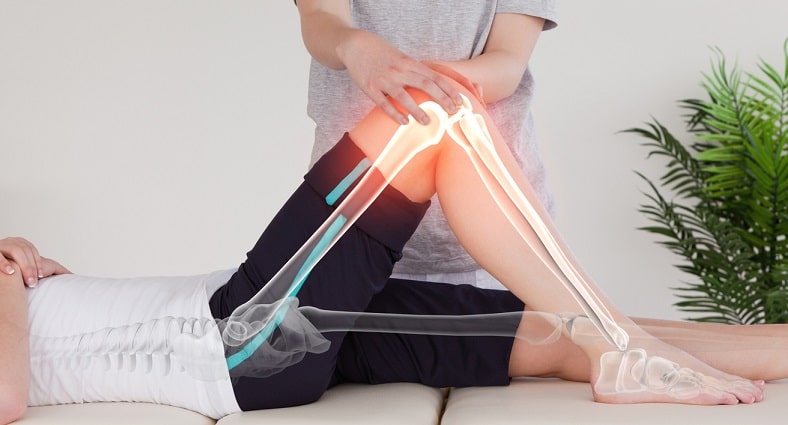
Sports Injuries can happen in an instant or can be the result of a repetitive action, and if not properly treated, an injury of this kind can set your health and fitness levels back weeks, months and sometimes years.
The most common types of sports injuries are:
- Head concussion – a serious injury that requires immediate medical attention
- Lower back muscle strains – can very quickly lead to long-term problems
- Wrist fractures – caused when a person tries to catch themselves as they fall
- Shoulder tear – tearing or inflammation of the rotator ruff, or frozen shoulder
- Tennis elbow – injury to the lateral epicondylitis
- Groin strain
- Torn hamstring or quadricep.
Depending on the type, sports injuries can be treated in a number of ways including:
- Physiotherapy or myotherapy
- Immobilisation (cast or splint)
- Heat pack/ice pack and rest
- Pain medication
- Surgery in the case of very serious injury.
A doctor or allied health professional will be able to advise which treatment will be best for your kind of injury, and it’s important to take their advice to prevent an unnecessarily prolonged recovery and to reduce the risk of the injury becoming a ‘weak spot’ and continually re-occurring.
How a compounding pharmacist can help with sports injury medication
If your doctor prescribes medication for your sports injury it will usually comprise of drugs to treat the injury and drugs to treat the associated pain. In most cases these kinds of medication do what they’re supposed to do and the patient sees improvement, however you may find yourself requiring the services of a compounding pharmacist in the following situations:
Adverse reaction with your other medication
If you’re taking medication for another unrelated condition, medication prescribed for sports injuries can sometimes cause an adverse reaction.
In some situations, a compounding pharmacist may be able to make up your sports injury medication as a topical cream or ointment that you can directly apply to the injured area of the body. Medication applied this way is directly absorbed into the body through the skin and does not pass through the stomach and digestive system (as a pill would), and therefore has less risk of reacting with your other medication.
You need a different strength than what’s on offer
A compounding pharmacist can make up your medication in strengths that are greater or less than what’s available from the usual manufacturers. They can also make up a medication as a liquid which can then be accurately measured. This is always a better option than cutting pills, which always leads to loss of the active medical ingredient.
You’re juggling multiple medications
When you’ve been prescribed multiple medications, vitamins or minerals, it can be hard to remember to take them all when you’re supposed to. It can also be a time-consuming and tiresome task. A compounding pharmacist can help by combining multiple medications into one easy-to-take tablet.
Sports Injury Medications We Commonly Compound:
- Capscaisin
- Adrenalin
- Ketoprofen
- Ibuprofen
- Baclofen
- Guaifenesin
Contact us for more information on how we can help you better manage treatment for your sports injury.